Exploring Unified Loyalty Ecosystems Connecting Reel Spins to Event-Driven Bets in Mobile Applications
Written by Morgan Peters · Sep 20, 2026
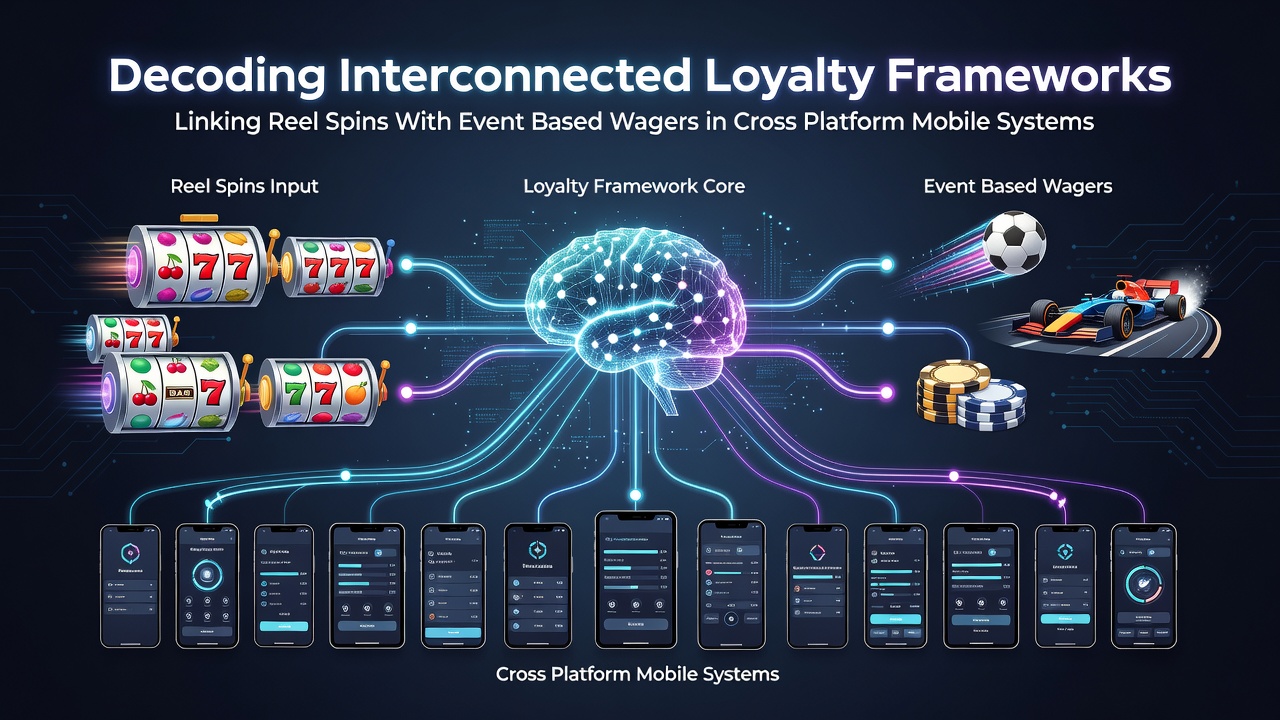
Exploring Unified Loyalty Ecosystems Connecting Reel Spins to Event-Driven Bets in Mobile Applications
Integrated loyalty systems in mobile gaming have evolved to connect outcomes from reel-based games directly with wagers placed on live events, creating shared reward structures that function across multiple device types and operating systems. These frameworks track user activity through centralized databases that assign points or credits based on both spin results and event resolutions, allowing seamless accumulation regardless of whether a player engages with slots or sports markets within the same application suite.
Core Mechanics of Cross-Platform Reward Linkage
Developers design these ecosystems so that reel spin data feeds into a unified ledger while event-based wagers contribute parallel metrics, with conversion rates determined by algorithmic rules that balance volatility between the two categories. Research from industry reports indicates that synchronization occurs through API endpoints which update player profiles in real time, ensuring that a series of slot wins can unlock multipliers for upcoming sports bets and vice versa. Data from September 2026 shows increased adoption of such models in markets where regulatory frameworks permit combined verticals, with transaction volumes rising notably in states that have expanded mobile access.
Technical architecture relies on cloud-hosted user accounts that maintain consistency across iOS and Android environments, while also supporting web-based access points. Observers note that encryption protocols protect the transfer of loyalty data between modules, preventing discrepancies that could arise from platform-specific latency issues. One implementation example involves a major operator that routes all spin and wager events through a single analytics engine, which then distributes rewards according to predefined contribution percentages established during system configuration.
Data Integration and Player Profile Management
Player profiles aggregate metrics from both verticals into composite scores that determine tier status and personalized offers. According to findings published by the American Gaming Association, operators have reported measurable lifts in session duration when loyalty points earned on reels directly influence available stake options for live events. The linkage process involves mapping event probabilities to slot return-to-player percentages, creating balanced progression paths that encourage continued participation across both formats without favoring one over the other.
September 2026 figures from regulatory filings reveal that several jurisdictions recorded higher cross-vertical engagement after introducing mandatory reporting on loyalty program transparency. Systems often employ machine learning models to adjust reward allocation dynamically, responding to aggregate player behavior patterns observed over weekly cycles. Those who have examined these implementations highlight the role of timestamp synchronization, which ensures that a completed sports wager and a subsequent reel session contribute to the same loyalty cycle even when initiated on different devices.

Regulatory Considerations Across Regions
Regulatory bodies in multiple regions have begun issuing guidelines that address the interoperability of loyalty data between gaming verticals. The Australian Gambling Research Centre published analysis in mid-2026 examining how cross-platform reward systems comply with consumer protection standards, particularly regarding the clear disclosure of point conversion rates. Compliance teams within operators must maintain audit trails that document every linkage event, allowing authorities to verify that no single vertical receives preferential treatment in reward distribution algorithms.
Additional oversight focuses on data portability, ensuring users retain access to their accumulated loyalty history when switching between mobile applications or hardware platforms. Reports compiled by Canadian provincial regulators note that standardized data formats facilitate smoother transitions, reducing friction that previously occurred when players attempted to consolidate rewards from separate slot and sports applications. These measures have coincided with broader efforts to standardize reporting on combined gaming activity as of September 2026.
Technical Challenges and Operational Adjustments
Latency management remains a key operational concern when linking high-frequency reel outcomes with lower-frequency event resolutions. Engineering teams deploy buffering mechanisms that queue spin results until event data becomes available, preserving the integrity of the shared loyalty calculation. Studies conducted by university research groups have documented cases where misalignment in update timing led to temporary discrepancies, prompting the adoption of consensus protocols similar to those used in distributed ledger systems.
Operators continue to refine notification systems that alert users when points from one activity become available for use in the other. Such features rely on push technology calibrated to respect platform-specific delivery constraints while maintaining consistent messaging across ecosystems. Evidence collected from deployment logs indicates that these adjustments have contributed to more stable user retention metrics in markets where cross-platform functionality is widely available.
Conclusion
Unified loyalty frameworks that connect reel spins with event-based wagers represent a maturing segment of mobile gaming infrastructure, supported by advances in data synchronization and regulatory adaptation. As of September 2026, continued refinement of these systems reflects ongoing efforts to maintain consistency, transparency, and compliance across diverse operational environments. The integration patterns established in current deployments provide a foundation for future expansions into additional gaming verticals while preserving the core principle of equitable reward accumulation.