How Algorithms Bridge Slot Networks and Live Sports Results in Cross-Device Gaming Platforms
Written by Mara Walter · Oct 18, 2026
How Algorithms Bridge Slot Networks and Live Sports Results in Cross-Device Gaming Platforms
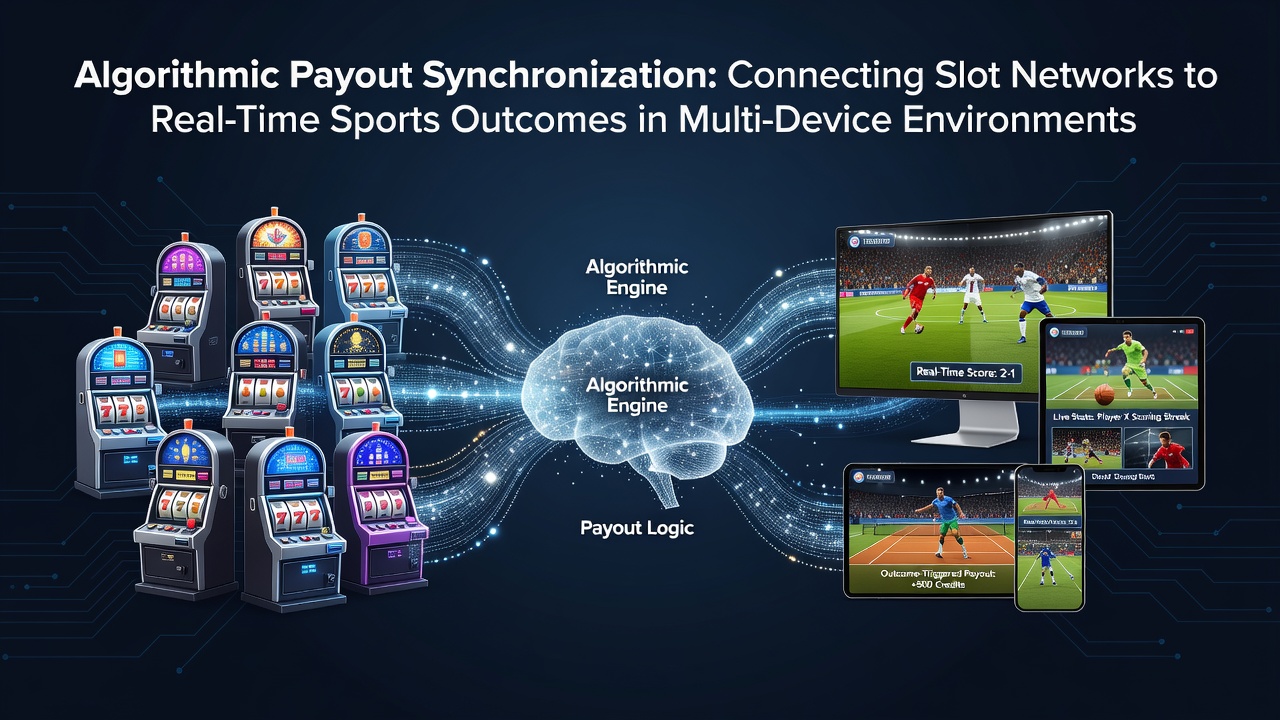
Data from industry reports indicates that algorithmic payout synchronization has become a core component in platforms that link slot game networks with real-time sports outcomes, and this integration operates across smartphones, tablets, and desktop systems in unified environments. Observers note that the process relies on application programming interfaces that pull live event data from sports feeds while simultaneously adjusting slot payout parameters based on predefined triggers such as goal scores or race finishes.
Those who have examined the technical architecture explain that synchronization begins with timestamped data packets transmitted from sports data providers to central servers, after which matching algorithms compare these inputs against slot reel configurations to determine instant or delayed bonus releases. In October 2026, several multi-device operators reported expanded use of these systems following updates to cross-platform compliance standards issued by the Nevada Gaming Control Board.
Core Mechanisms Behind the Synchronization Process
Engineers design the algorithms to handle variable latency across devices by employing buffering protocols that align payout calculations with the slowest incoming data stream, and this approach prevents discrepancies when one user accesses the platform via mobile while another uses a desktop connection. Research from academic institutions shows that machine learning models trained on historical sports data improve prediction accuracy for payout timing, allowing networks to pre-allocate funds before an event concludes.
Slot networks receive these synchronized signals through encrypted channels that also incorporate player account balances, and the system then executes micro-adjustments to reel probabilities or bonus multipliers without altering the underlying random number generators. Figures from regulatory filings reveal that such adjustments occur within milliseconds in most tested environments, supporting seamless transitions between slot sessions and sports viewing modules on the same application.
Multi-Device Environment Considerations
Platforms must account for differences in operating systems and network conditions when deploying these algorithms, since iOS devices process data packets differently than Android systems in high-traffic scenarios. Experts have observed that cloud-based synchronization layers distribute computational loads across regional servers, which reduces the risk of desync during peak events like major league finals or tournament finals.
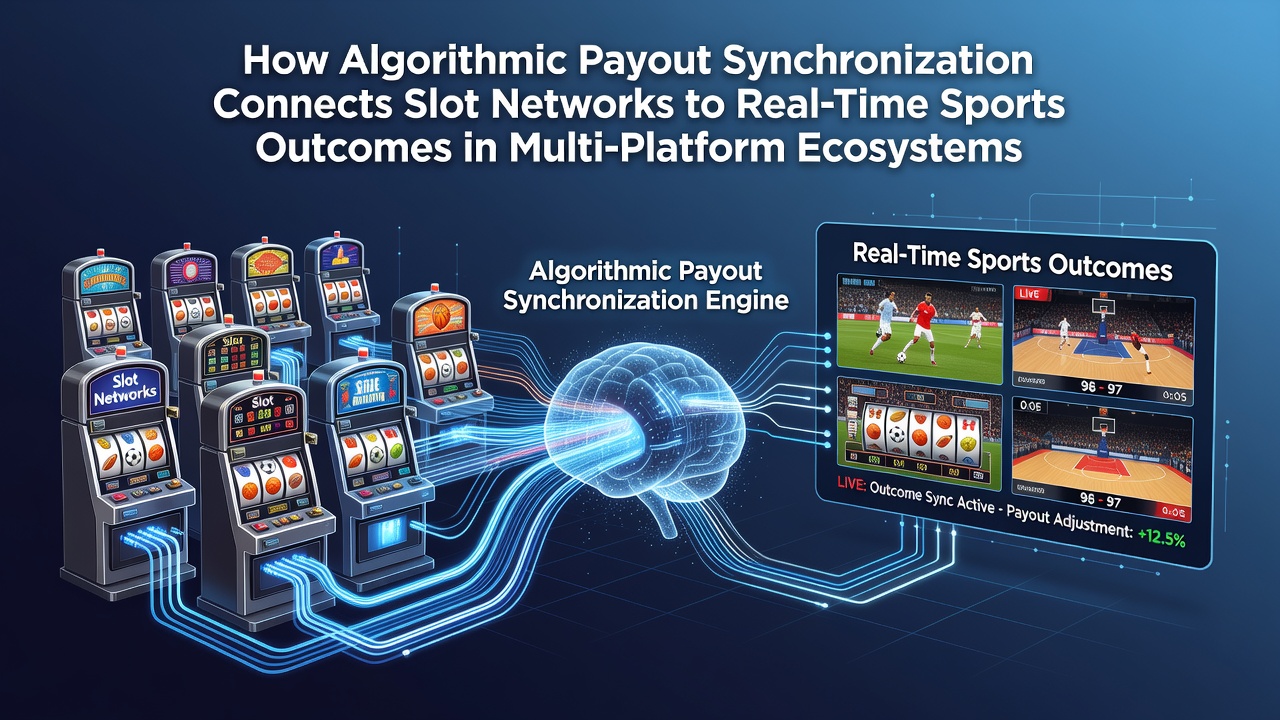
Users switching between devices experience consistent payout outcomes because the central algorithm maintains a single session state tied to the account rather than the hardware, and this continuity holds even when network interruptions force reconnections. Data collected by platform analytics teams demonstrates that error rates in payout delivery drop below 0.2 percent when redundancy protocols activate during live sports broadcasts.
Regulatory and Technical Standards in Place
Authorities in multiple jurisdictions require operators to submit documentation on how algorithmic synchronization maintains fairness across connected games, with particular attention to audit trails that log every data input and payout decision. The Malta Gaming Authority has outlined testing requirements for these systems that include simulated multi-device stress tests conducted quarterly, while similar guidelines appear in reports from the Australian Communications and Media Authority.
Industry organizations such as the European Gaming and Betting Association have compiled case studies showing how synchronization protocols integrate with existing slot progressive jackpot systems without violating independent game integrity rules. These studies highlight that real-time sports outcomes serve only as external triggers rather than replacements for core slot mechanics.
Implementation Examples Across Networks
One documented implementation involves a North American operator that connects American football results to slot bonus rounds on a shared platform, where a touchdown event activates a synchronized multiplier visible across all active devices within the same player cohort. Another case from European markets demonstrates linkage between tennis match points and slot reel expansions, with algorithms recalibrating payout tables based on set completions.
Technical documentation indicates that these connections use standardized data formats such as JSON streams for sports feeds, which algorithms parse against slot configuration files stored in secure databases. Observers note that version control systems track changes to these files to ensure compliance during updates rolled out in October 2026.
Conclusion
Algorithmic payout synchronization continues to evolve as platforms expand their multi-device capabilities and incorporate additional sports data streams, with regulatory bodies maintaining oversight through periodic audits and technical reviews. The frameworks described rely on established data transmission standards and machine learning refinements that support consistent outcomes regardless of access point. As more operators adopt these methods, the documented patterns show steady improvements in processing speed and cross-device reliability while adhering to existing fairness requirements.