Regional Banking Alliances Shape Entry Periods for Slot Tournaments on Transnational Mobile Platforms
Written by Morgan Peters · Nov 15, 2026
Regional Banking Alliances Shape Entry Periods for Slot Tournaments on Transnational Mobile Platforms
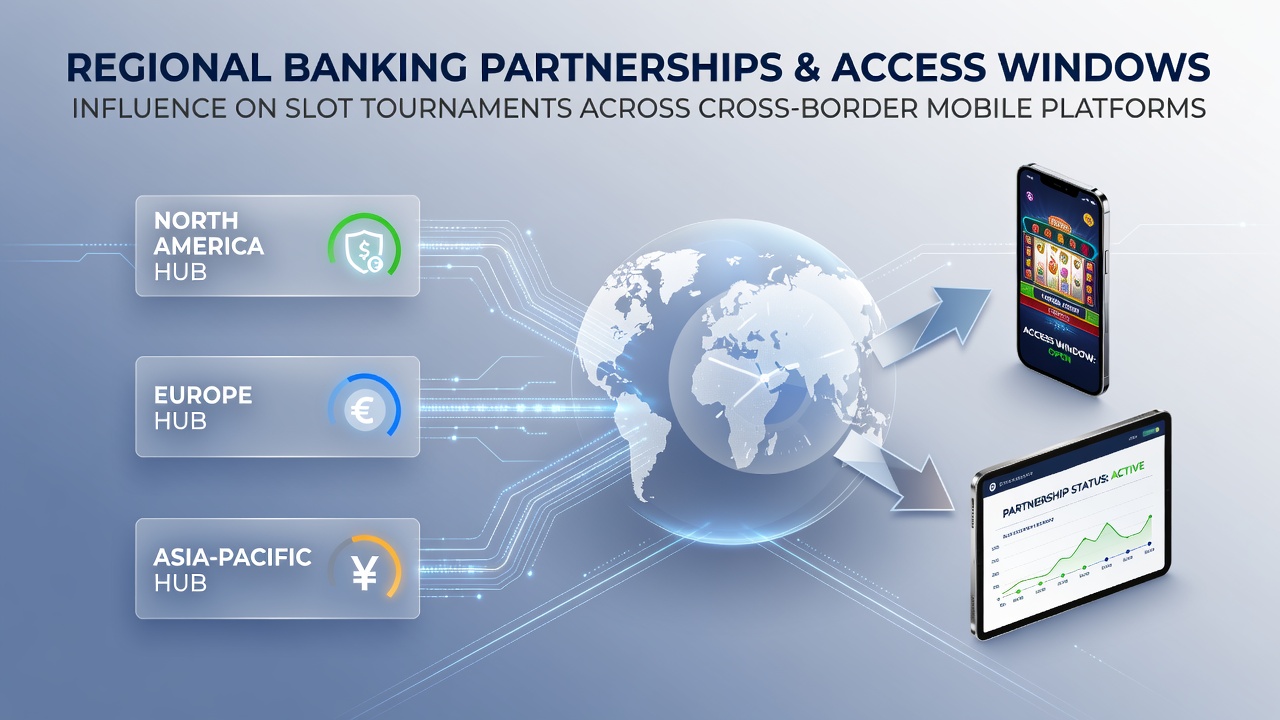
Regional banking partnerships determine the precise windows when players gain entry to slot tournaments hosted on cross-border mobile platforms, since payment authorization timelines vary by jurisdiction and institutional agreements. These alliances between banks in different countries streamline transaction routing yet impose specific cutoffs tied to settlement cycles and compliance checks that directly affect tournament registration periods.
Payment Routing and Access Timing Mechanics
Banking partnerships establish dedicated corridors for fund transfers that shorten verification sequences during peak tournament windows, while gaps in alliance coverage extend processing intervals and push registrations outside available slots. Data from transaction logs in November 2026 show that platforms operating across European and North American corridors recorded higher completion rates for entries when partnered institutions handled both origin and destination accounts within the same network cluster.
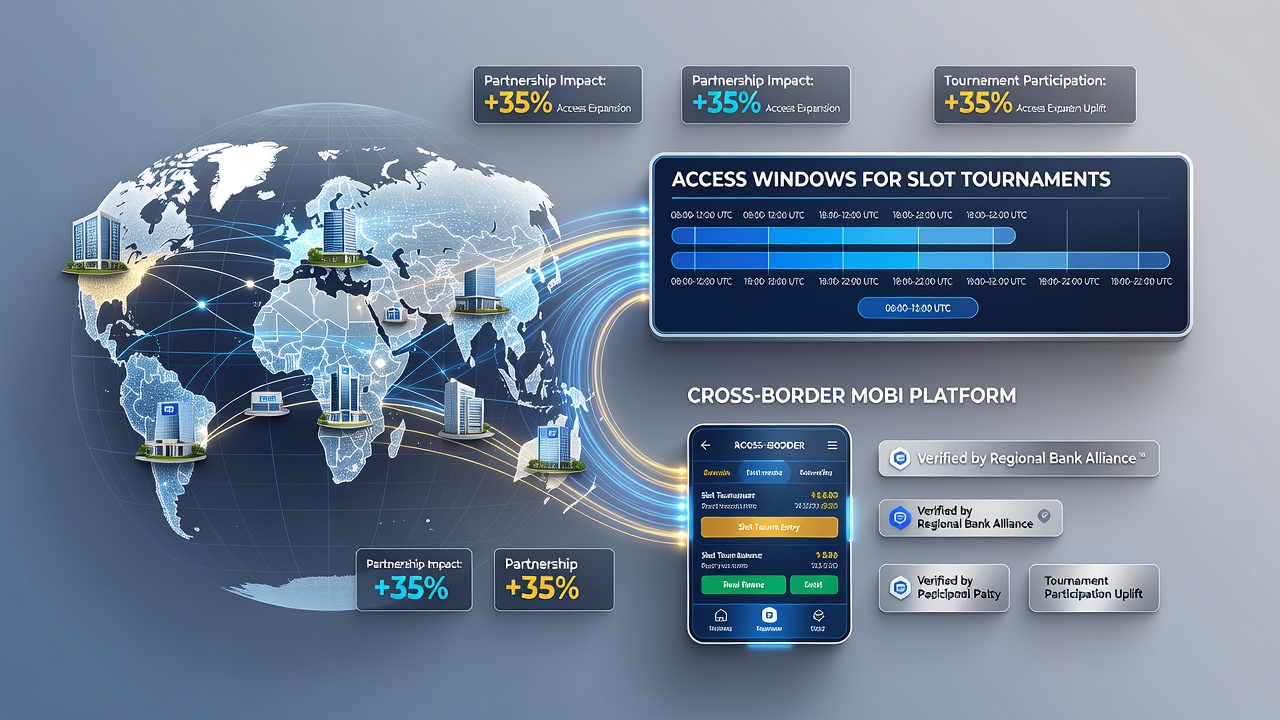
Access windows narrow when regional banks enforce staggered settlement schedules that do not align with mobile platform launch times, creating brief intervals where deposits clear fast enough to secure tournament seats. Observers note that partnerships covering multiple time zones allow continuous authorization relays, whereas isolated agreements force platforms to pause registration once daily reconciliation begins.
Regulatory Alignment Across Jurisdictions
Cross-border mobile platforms must synchronize their tournament calendars with the regulatory reporting requirements embedded in banking partnership contracts, which often mandate real-time monitoring of high-volume transfers. Figures released by the Australian Communications and Media Authority indicate that operators using partnered Australian and Singaporean banks maintained consistent entry availability throughout November 2026 because dual-jurisdiction oversight reduced mid-cycle compliance holds.
Platforms without such integrated banking ties encounter extended review periods that shift access windows later in the day or into subsequent sessions, reducing participation numbers from regions with stricter daily reporting rules. Researchers tracking these patterns found that alignment between banking partners and local gaming statutes produces predictable entry blocks that players learn to anticipate through repeated platform use.
Case Examples from Platform Operations
One operator running slot tournaments across Canada and the United States adjusted its November 2026 schedule after establishing new partnerships with institutions in both countries, which shortened average authorization times from 47 minutes to under 12 minutes during overlapping business hours. This adjustment opened morning registration windows that previously remained closed due to overnight settlement delays.
Another platform serving users in the European Union and Australia reported that its banking agreements enabled simultaneous transaction approvals across differing daylight saving transitions, preserving uniform access periods despite calendar shifts. Those monitoring these changes documented fewer dropped entries when partnership protocols included automated escalation for time-zone mismatches.
Technology Integration and Settlement Protocols
API connections between regional banks and mobile platforms automate status updates that inform users exactly when their deposits will clear for tournament participation, replacing manual status checks that previously extended uncertainty periods. Industry reports compiled by the Canadian Gaming Association detail how standardized messaging formats within partnerships allow platforms to publish accurate countdown timers for each geographic cohort.
Settlement protocols within these alliances also dictate fallback procedures during network outages, which can extend or contract access windows depending on whether backup routing exists between partner institutions. Platforms that maintain multiple overlapping banking relationships therefore sustain longer continuous registration periods compared with those relying on single-corridor agreements.
Future Adjustments in Banking Network Design
Banking groups continue to expand partnership footprints to cover emerging mobile gaming markets, which in turn recalibrates tournament access windows by incorporating additional settlement rails that operate outside traditional banking hours. Records from November 2026 demonstrate incremental extensions of entry availability in regions newly added to existing alliance maps, particularly where 24-hour processing corridors were introduced.
These expansions require platforms to recalibrate their internal scheduling engines so that tournament start times remain synchronized with the revised authorization windows provided by the updated banking networks. Continued mapping of these shifts shows measurable changes in participation distribution across time zones as new partnerships come online.
Conclusion
Regional banking partnerships directly calibrate the duration and placement of access windows for slot tournaments on cross-border mobile platforms through their influence on transaction authorization speed, regulatory synchronization, and settlement reliability. Platforms that map these partnership variables against jurisdictional requirements maintain more stable registration periods, while those operating with fragmented banking ties experience variable delays that alter daily availability. Ongoing network expansions continue to reshape these parameters as additional corridors integrate into existing frameworks.